
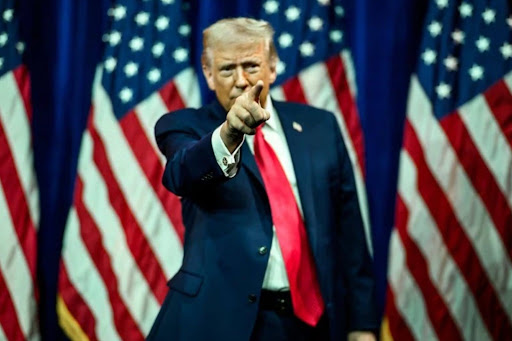
President Donald Trump made a bold public challenge to Iranian leadership on Thursday, urging the country to stop stalling and commit to a genuine peace agreement before the opportunity disappeared entirely. On Truth Social, he insisted that Iranian negotiators were privately pleading for a deal despite their government’s public posture of calm consideration. Trump warned that the window for peace was closing, and that what lay on the other side of it would not be pleasant for Iran.
The US ceasefire proposal includes 15 points, featuring substantial incentives such as sanctions relief, nuclear programme rollback, missile restrictions, and the reopening of the Strait of Hormuz to international shipping. The strait is essential to the global oil economy, with approximately a fifth of the world’s oil supplies passing through it regularly. Iran has officially rejected the plan, leaving the two sides in a state of diplomatic deadlock.
Iran has presented a rival ceasefire vision through state media that includes demands for protection of its officials from targeted strikes, formal security guarantees, war reparations, and recognition of its dominion over the Strait of Hormuz. These demands reflect a fundamentally different set of priorities from what Washington has proposed. Finding a framework that satisfies both sides will require significant concessions from each.
The conflict has already inflicted enormous damage on the region’s people. More than 1,500 have been killed in Iran and nearly 1,100 in Lebanon, while the death toll in Israel and the broader region continues to rise. Thirteen US troops have been killed in the conflict, and millions of civilians across Iran and Lebanon have been uprooted by the ongoing violence.
Trump’s challenge to Tehran on Thursday was backed by an implicit threat: the time for hesitation is over. With air raids and missile strikes continuing to claim lives, the stakes of diplomatic failure are catastrophically high. Whether Iran rises to meet this challenge — or allows the opportunity to slip away — will shape the fate of millions of people.
