

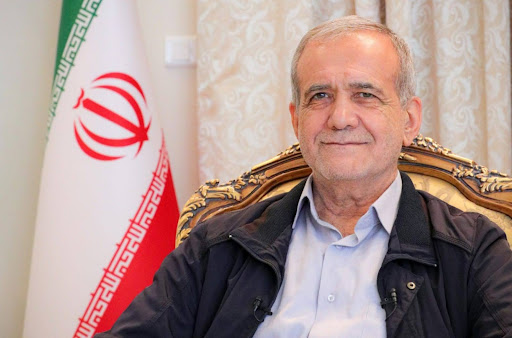
Iranian President Masoud Pezeshkian has sent an unambiguous message to Gulf nations: Iranian retaliatory strikes will continue for as long as enemy forces are permitted to use Gulf soil to wage war against Tehran. The statement, issued more than a month into the conflict, combines a military warning with a diplomatic appeal for Gulf governments to reassess their alliance commitments. Iran is clearly seeking to shift the strategic and moral responsibility for the war’s widening impact.
Countries like Saudi Arabia, the UAE, Qatar, Kuwait, and Oman have suffered from the fallout of a conflict rooted in their hosting of US military operations against Iran. Iranian counterstrikes targeting those nations have added to the regional toll of the war. Gulf governments are now confronting the direct costs of their security partnerships in a way they had not anticipated when the conflict began.
Through a post on X, Pezeshkian reaffirmed Iran’s non-aggression doctrine but stated plainly that retaliation for attacks on Iranian economic or critical infrastructure would be guaranteed and powerful. He urged Gulf leaders to take action to prevent enemy forces from directing the war from their lands, warning that this was the only way to secure their own development and peace. The message was deliberate and direct.
Pakistan has distinguished itself as a capable and credible mediator, with Prime Minister Shehbaz Sharif leading diplomatic engagement across the region. Sharif’s discussions with Pezeshkian yielded the key finding that Iran insists on a foundation of trust before formal negotiations can begin. Tehran has publicly recognised Pakistan’s peace role, further cementing Islamabad’s status as a key regional actor.
A high-level multilateral meeting in Pakistan is bringing together the foreign ministers of Saudi Arabia, Egypt, and Turkey to discuss coordinated approaches to ending the conflict. Their engagement with Pakistani Foreign Minister Ishaq Dar and Prime Minister Sharif reflects the broad recognition that the war requires a collective political solution. The outcome of these talks could have significant implications for the future direction of the conflict.
