
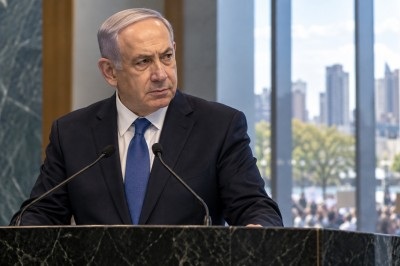
Israeli Prime Minister Benjamin Netanyahu is poised to address the United Nations General Assembly, amid a backdrop of protests in New York and mounting international criticism over Israel’s military operations and policies. The speech is expected to focus on Israel’s stance concerning ongoing conflicts in Gaza, Lebanon, and Iran, while highlighting what Netanyahu’s government views as its accomplishments in these areas.
As Netanyahu prepares to speak, Israel faces increasing diplomatic pressure, particularly regarding its policies in Gaza and the West Bank. Several Western governments have expressed concerns over Israeli settlement expansion and the humanitarian conditions in Gaza, intensifying the scrutiny on Israel’s actions in the region.
Protests are anticipated around the UN headquarters during Netanyahu’s appearance, with Palestinian representatives and advocacy groups planning demonstrations and organizing a walkout. Israel’s UN Ambassador Danny Danon defended the country’s actions, attributing much of the criticism to misinformation and emphasizing the challenges Israel has faced since the October 7 attacks.
The timing of Netanyahu’s visit also intersects with Israel’s upcoming elections, adding a layer of domestic political implications to his UN engagement. Alongside addressing the international community, Netanyahu’s speech will likely serve as a platform to reach Israeli voters.
Another critical aspect of Netanyahu’s agenda at the UN involves addressing the future of U.S.-Israel relations. This includes discussions on continued American military support and the ongoing disagreements over Israeli settlement policies and the conflict in Gaza. Ambassador Danon expressed confidence in the enduring security partnership between Israel and the United States, despite the international criticism currently facing the country.