

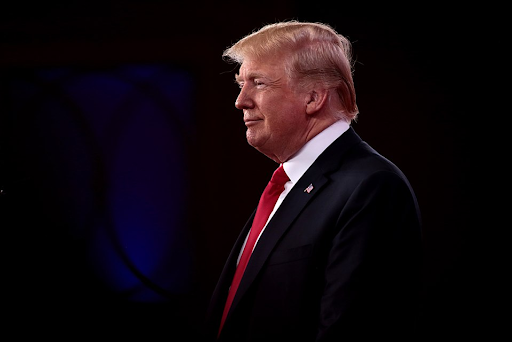
Donald Trump has given South Korea an ultimatum over parliamentary foot-dragging, threatening to impose 25% tariffs on major exports unless Seoul acts on a trade agreement from last year. The president’s statement criticized Korea’s legislature for inaction.
The trade framework was negotiated between Trump and South Korean President Lee Jae Myung in October 2024, featuring provisions for reduced US tariffs on Korean vehicles from 25% to 15%. However, the deal has become entangled in South Korean domestic political disputes.
South Korea’s presidential office maintains that the agreement was structured as a memorandum of understanding not requiring legislative approval, though this interpretation is being reconsidered. Both major parties now commit to expediting five relevant bills.
The potential economic impact is significant, particularly for the automotive sector which accounts for more than a quarter of South Korean exports to the United States. When Trump’s threat became public, Korean carmaker stocks experienced volatility.
This latest tariff threat exemplifies Trump’s continued reliance on trade policy as a central foreign policy instrument. While some threatened tariffs are never implemented, economists note that unpredictability creates business uncertainty.
