
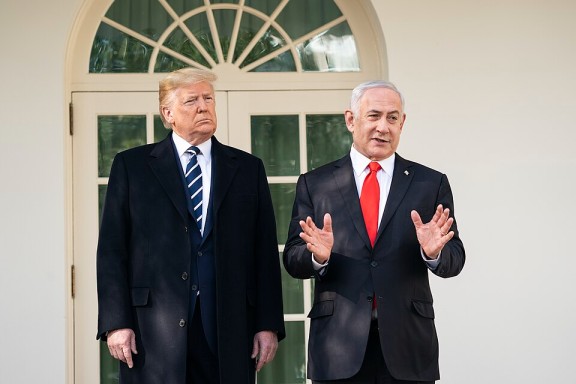
Prime Minister Benjamin Netanyahu and US President Donald Trump held a phone conversation on Sunday evening to discuss the ongoing conflict with Iran, as confirmed by Netanyahu’s office. The discussion included the potential resurgence of military actions against Iran and Trump’s recent diplomatic visit to China. Following this conversation, Netanyahu planned to meet with top aides and ministers in Jerusalem for a security briefing, a gathering often referred to as the “small security cabinet.” This group typically involves key figures such as Foreign Minister Gideon Sa’ar and Defense Minister Israel Katz.
There are reports suggesting that Israel and the United States are intensely preparing to resume attacks on Iran, potentially within the week. The urgency of these discussions follows a drone attack on a nuclear power facility in the UAE, which, alongside Israel, has suffered significantly from Iranian aggression during the war. President Trump is expected to have a Situation Room meeting with his national security advisers on Tuesday to explore military options against Iran. Despite stalled negotiations since the April 8 ceasefire, Trump remains hopeful for a deal, warning Iran of severe consequences if it delays action.
In his weekly cabinet meeting, Netanyahu expressed vigilance towards Iran’s activities and anticipated insights from Trump’s China trip. During the trip, Trump stated that Chinese President Xi Jinping offered assistance in reopening the Strait of Hormuz and assured that China would not supply military aid to Iran. Upon returning from China, Trump shared an AI-generated image depicting a tense naval scene with an Iranian flag, captioned as “the calm before the storm,” reflecting the gravity of the situation.
Iran has responded with warnings against any renewed US military action. Abolfazl Shekarchi, spokesman for Iran’s armed forces, cautioned that further attacks would provoke unprecedented retaliatory measures. Additionally, Iranian deputy parliamentary speaker Hamidreza Hajibabaei threatened to disrupt global oil access if Iranian oil infrastructure is targeted. Iran’s demands in ongoing negotiations include ending hostilities, lifting US sanctions, and releasing frozen Iranian assets, while the US is holding firm on its list of conditions.
Meanwhile, a drone strike near Abu Dhabi’s Barakah Nuclear Power Plant ignited a fire without causing injuries or affecting radiation levels. The plant, operational since 2020, is crucial to the UAE’s electricity supply. The incident drew condemnation from the UN’s nuclear agency, which criticized military activities endangering nuclear safety. Though the attack’s origin remains unconfirmed, recent tensions have led the UAE to accuse Iran of targeting its infrastructure. As regional dynamics continue to shift, Israel and the UAE, alongside Saudi Arabia, have reportedly engaged in military actions against Iran.