
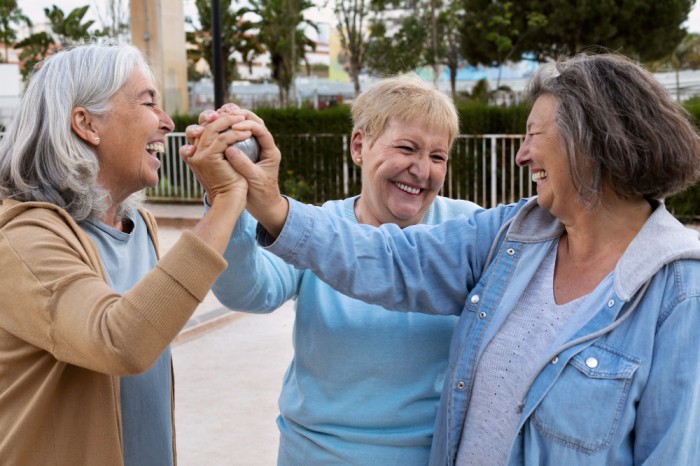
Retirement might signal a welcome pause from work, yet health professionals emphasize the importance of maintaining mentally engaging activities during this phase of life. Engaging in physical, social, and intellectual pursuits post-retirement is crucial for sustaining brain health and overall well-being as individuals age.
While the natural ageing process can slow certain cognitive functions, experts assert that considerable cognitive decline is not a guaranteed outcome. Consistent mental exercises, social interactions, and physical activities are instrumental in keeping the brain active and can enhance memory, concentration, and problem-solving capabilities.
Physical activity is particularly significant as it enhances blood circulation to the brain, thereby supporting brain health. Engaging in activities like walking, yoga, cycling, and gardening can contribute positively to cognitive health. However, retirement poses a potential risk if it results in isolation, the absence of routine, and diminished mental stimulation. The lack of daily tasks, social engagements, or learning opportunities can lead to decreased brain activity, potentially impacting cognitive abilities over time.
Experts recommend that retirees remain active by taking up new hobbies, volunteering, traveling, mentoring younger individuals, or participating in community events. These activities not only offer mental stimulation but also foster emotional well-being and a sense of purpose. Strong social connections are equally vital; spending time with family, friends, or community groups facilitates communication, memory, and decision-making skills while reducing the risk of loneliness and depression.
According to health specialists, healthy ageing transcends illness prevention; it encompasses maintaining independence, mental acuity, and quality of life. Staying active, curious, and socially connected plays a pivotal role in supporting enduring brain health following retirement.