
Israel is grappling with significant water supply challenges after an extensive algae bloom forced the temporary shutdown of five out of six key desalination plants along its Mediterranean coast. The bloom, which spans approximately 100 kilometers, has clogged filtration systems, leading to reduced desalination capacity and prompting authorities to urge water conservation.
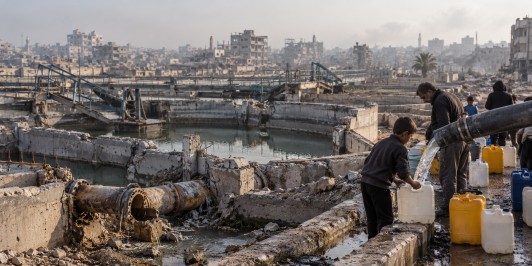
Environmental experts attribute the algae proliferation to marine pollution exacerbated by untreated wastewater from Gaza. The destruction of Gaza’s wastewater treatment facilities has resulted in large quantities of raw sewage, rich in nutrients like nitrogen and phosphorus, flowing into the Mediterranean Sea, fostering conditions conducive to algae growth.
The impact of this environmental crisis is being felt across southern Israel, where several desalination facilities are still not operating at full capacity. In response, Israeli water authorities have called on residents to limit water usage, while farmers in affected regions have been advised to halt irrigation activities to conserve resources.
Meanwhile, Gaza is experiencing a severe water and sanitation crisis due to its inoperative wastewater treatment plants. With an estimated 45,000 cubic meters of untreated sewage entering the Mediterranean daily, and another 15,000 cubic meters seeping into groundwater, the region faces heightened public health risks, including waterborne diseases.
Environmental advocates have highlighted that the ramifications of Gaza’s wastewater issues extend beyond its borders, posing ongoing threats to Israel’s desalination infrastructure and public health. They emphasize the necessity for restoring Gaza’s wastewater management system to prevent further environmental damage to the Mediterranean and mitigate health risks for both communities.