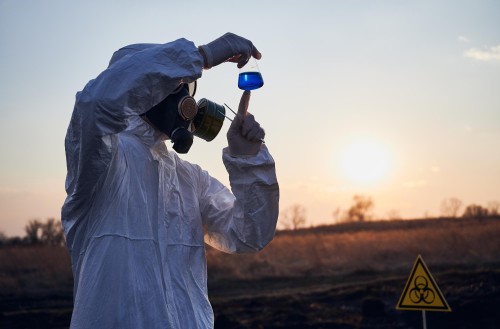
A two-day meeting in Slovenia’s capital, Ljubljana, has brought together 18 representatives from Eastern European Member States to address key issues surrounding chemical safety and international cooperation under the Chemical Weapons Convention. The gathering serves as a platform to discuss national legislation, capacity-building programs, and the practical challenges of implementing the Convention, which aims to eliminate chemical weapons globally. Participants are also focusing on how artificial intelligence and academia can play roles in ensuring chemical safety and preventing the proliferation of weapons of mass destruction.
Slovenia plays an active role in supporting the objectives of the Organisation for the Prohibition of Chemical Weapons (OPCW) and is dedicated to implementing the Chemical Weapons Convention, which bans the development, production, stockpiling, and use of chemical weapons. Across the globe, 193 States Parties are part of the Convention, making it one of the most successful and extensively ratified international agreements. Within Slovenia, the Chemicals Office is tasked with overseeing the national execution of this treaty, supervising industrial activities involving strategic chemicals, and collaborating with the OPCW on international inspections.
As of 12 May, Slovenia has taken a seat on the OPCW Executive Council, the governing body that promotes compliance with the Chemical Weapons Convention. During its two-year tenure, Slovenia plans to work on preventing chemical weapons proliferation and bolstering trust and security within the international community. Boštjan Peršin, from the Ministry of Foreign and European Affairs, underscored in his opening address at the OPCW Regional Meeting that Slovenia’s priorities on the Executive Council will include supporting the development of new technologies and ensuring the peaceful and safe use of chemistry.
Throughout the meeting, country presentations and an overview of the OPCW’s activities to date are being shared. Discussions are also taking place on current issues and challenges, with a particular emphasis on the impact of artificial intelligence and the role of academia. These discussions aim to further strengthen regional collaboration and exchange best practices in implementing the Convention, ensuring that chemical safety remains at the forefront of international cooperation.
Slovenia’s involvement in co-organising the current Regional Meeting showcases its commitment to upholding the highest standards of chemical safety, transparency, and the responsible use of chemicals for peaceful purposes. By actively collaborating with the OPCW and participating in the Executive Council, Slovenia reinforces its dedication to the Convention’s objectives of eliminating chemical weapons and preventing their future use, thus contributing to global security and stability.
Legal Disclaimer:
The information contained in this article has been provided by independent third-party contributors, clients, or content partners. We do not independently verify the accuracy, completeness, legality, ownership, licensing, or reliability of submitted content, including text, images, videos, trademarks, or other media materials. The submitting party is solely responsible for ensuring that all content, including images and media assets, complies with applicable copyright, trademark, licensing, and intellectual property laws. We disclaim liability for any unauthorized use of copyrighted or proprietary materials by third parties. If you believe that any content published on this platform infringes your intellectual property rights, kindly contact the author above for prompt review and resolution.